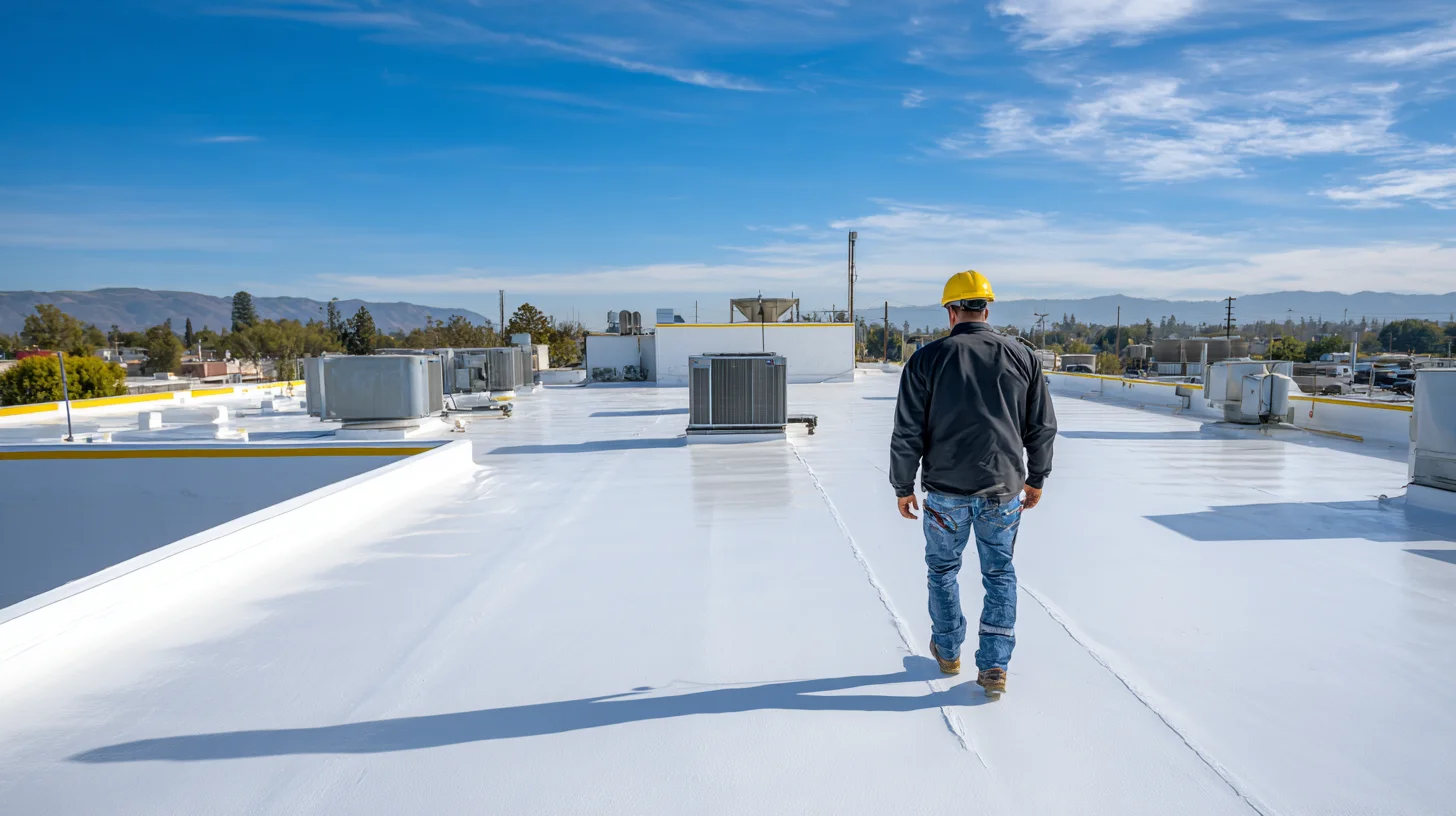
Flat roofs are a common feature across commercial and industrial properties throughout Modesto and the Central Valley, offering cost-effective installation and functional space for HVAC equipment and other building systems. However, their low-slope design makes them particularly vulnerable to water damage, membrane degradation, and premature failure without consistent care. Unlike pitched roofs that naturally shed water and debris, flat roofing systems rely heavily on proper drainage, intact sealing, and regular attention to maintain their protective function. For property owners and facility managers in Modesto, understanding how preventative maintenance directly impacts the lifespan of flat roofs can mean the difference between a 20-year roof system and one that requires replacement in half that time. This article examines the specific challenges flat roofs face in Central Valley conditions, explains what preventative maintenance entails, and demonstrates how strategic upkeep protects your investment while avoiding the significant expense of premature roof replacement.
Common Flat Roof Problems in Modesto
Flat roofing systems face unique challenges in Modesto’s climate, where extreme summer heat, occasional winter storms, and year-round UV exposure create conditions that accelerate wear and reveal weaknesses in poorly maintained systems. The combination of thermal cycling, where temperatures can swing dramatically between day and night, and extended periods of intense sunlight places constant stress on roofing membranes and sealants. Understanding the most common problems that affect flat roofs in this region helps property owners recognize why preventative maintenance is not optional but essential for protecting their buildings and budgets. Two issues stand out as particularly problematic for flat roofs in the Central Valley: ponding water and seam separation. Both are preventable with proper maintenance but can lead to catastrophic failure when ignored.
Ponding Water
Ponding water, defined as standing water that remains on a roof surface for more than 48 hours after rainfall, represents one of the most destructive problems facing flat roofs in Modesto. While flat roofs are designed with minimal slope to direct water toward drains and scuppers, various factors can disrupt proper drainage and create low spots where water accumulates. Structural settling, inadequate original slope design, debris accumulation around drains, and compression of insulation layers all contribute to ponding issues. Once water begins pooling in certain areas, it creates a self-perpetuating cycle of damage. The weight of standing water can cause further depression in the affected area, making the ponding worse over time. More critically, prolonged water exposure accelerates membrane degradation, particularly in TPO and PVC systems where seams and heat-welded joints become vulnerable to moisture intrusion. Ponding water also promotes algae and vegetation growth, which can penetrate and damage the roofing membrane. In Modesto’s climate, where winter rains are followed by extended dry periods, ponding areas may dry out temporarily, giving a false sense of security before the next storm reveals the problem again. According to roofing industry standards from the National Roofing Contractors Association, ponding water significantly reduces the service life of flat roofing systems and voids many manufacturer warranties. Preventative maintenance addresses this issue through regular drain cleaning, slope verification, and early identification of developing low spots before they become severe problems.
Seam Separation
Seam separation is another common and serious issue affecting flat roofs, particularly those using membrane systems such as TPO, PVC, EPDM, and modified bitumen. These roofing systems are installed in large sheets that must be joined together through heat welding, adhesive bonding, or mechanical fastening. The seams represent the most vulnerable points in the entire roofing assembly because they rely on proper installation techniques and ongoing integrity to prevent water infiltration. In Modesto’s extreme temperature variations, roofing membranes expand and contract repeatedly throughout the year. Summer temperatures regularly exceed 100 degrees Fahrenheit, causing membranes to expand, while winter nights can drop below freezing, causing contraction. This constant thermal movement places significant stress on seams, particularly those that were improperly installed or have begun to age. Over time, adhesives can fail, heat welds can separate, and mechanical fasteners can work loose. Wind uplift during Central Valley windstorms further stresses seam areas, and once a seam begins to separate, the problem accelerates rapidly. Water infiltration at separated seams leads to insulation saturation, structural deck damage, and interior leaks that can disrupt business operations and damage inventory or equipment. Research from the Department of Energy on commercial building envelope performance emphasizes that membrane seam integrity directly correlates with overall roof system performance and energy efficiency. Preventative maintenance programs identify early seam separation through regular inspections, allowing for targeted repairs before widespread failure occurs. Small seam issues can often be addressed with resealing or localized patching, but neglected seam separation typically requires extensive membrane replacement.
What Preventative Maintenance Actually Means
Preventative maintenance is a systematic approach to roof care that identifies and addresses small issues before they escalate into expensive repairs or premature system failure. Unlike reactive maintenance, which responds to problems after they cause damage, preventative maintenance follows a planned schedule of inspections, cleaning, and minor repairs designed to preserve the roof’s integrity and extend its functional lifespan. For flat roofs in Modesto, where environmental conditions create predictable stress points and wear patterns, preventative maintenance is particularly effective because it addresses known vulnerabilities before they compromise the system. A comprehensive preventative maintenance program consists of three core components: regular inspections, routine cleaning, and proactive minor repairs. Each element serves a specific purpose in protecting the roof and works synergistically with the others to maintain system performance. Property owners who invest in preventative maintenance programs through qualified contractors like Highly Favored Roofing Modesto typically see significantly extended roof lifespans and avoid the business disruption and expense associated with emergency repairs.
Inspections
Professional roof inspections form the foundation of any effective preventative maintenance program. These inspections should occur at least twice annually, typically in spring and fall, to assess the roof’s condition before and after the most challenging weather seasons. A thorough inspection examines all critical roof components, including the membrane surface, seams, flashings, penetrations, drains, and edge details. Inspectors look for signs of wear, damage, or developing problems such as membrane blistering, cracking, or surface erosion, seam separation or bubbling, damaged or deteriorated flashings around roof penetrations, clogged or damaged drains and scuppers, ponding water areas, and any evidence of past or current leaks. The inspection process also includes documentation through written reports and photographs, creating a historical record of the roof’s condition over time. This documentation serves multiple purposes including identifying trends and deterioration patterns, supporting warranty claims when applicable, providing data for budget planning and capital reserve forecasting, and demonstrating proper maintenance for building sale or lease negotiations. Professional inspectors use moisture meters, infrared cameras, and other diagnostic tools to identify problems not visible to the naked eye, such as trapped moisture within the roofing assembly. According to building science research from Oak Ridge National Laboratory, early detection of moisture intrusion through regular inspection prevents structural damage and significantly extends roof system service life.
Cleaning
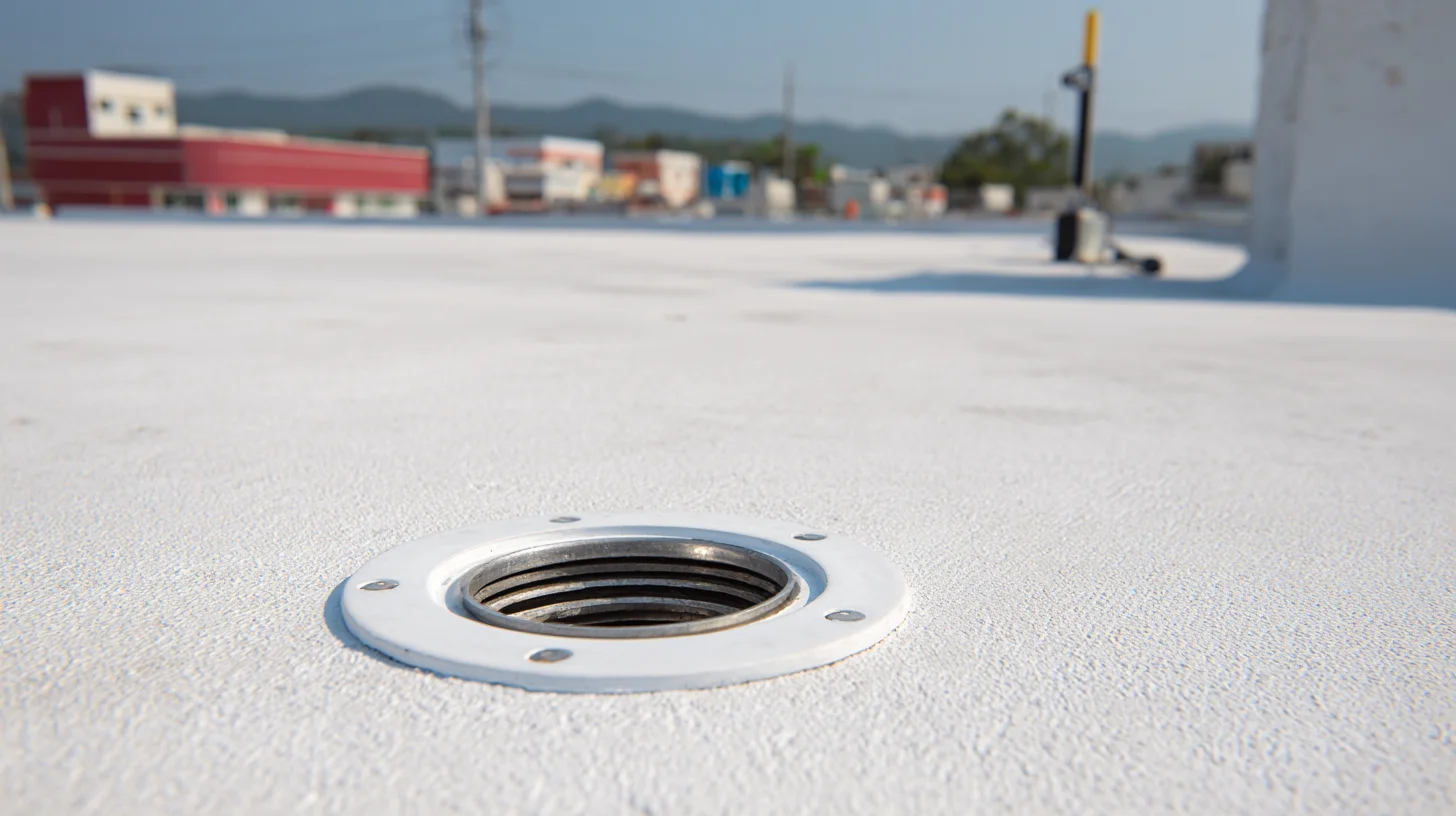
Routine cleaning is an often-overlooked but critical component of flat roof maintenance in Modesto. The Central Valley’s agricultural surroundings, urban pollution, and seasonal weather patterns contribute to debris accumulation on roof surfaces and drainage systems. Leaves, dirt, vegetation, and other organic materials collect on flat roofs and, if left unaddressed, create multiple problems. Debris accumulation blocks drains and scuppers, leading to ponding water and drainage failure. Organic matter retains moisture against the roof membrane, accelerating deterioration and promoting algae or mold growth. Decomposing vegetation can become acidic and chemically attack certain roofing materials. Accumulated debris adds unnecessary weight to the roof structure and creates tripping hazards for maintenance personnel accessing rooftop equipment. A comprehensive cleaning program addresses both the roof surface and the drainage system. Surface cleaning involves removing debris from the entire roof area, paying particular attention to areas around roof penetrations, parapet walls, and equipment bases where materials tend to accumulate. Drainage cleaning focuses on clearing all drains, scuppers, gutters, and downspouts to ensure unobstructed water flow. During Modesto’s storm season, drainage systems should be checked and cleaned more frequently, as a single major storm can deposit significant debris. Some roofing systems, particularly white TPO or PVC membranes installed for energy efficiency, also benefit from periodic washing to maintain their reflective properties and cooling performance. The California Title 24 energy efficiency standards recognize that maintaining membrane reflectivity through cleaning contributes to ongoing energy performance compliance.
Minor Repairs
The third essential component of preventative maintenance is addressing minor repairs promptly before they develop into major problems. During inspections, contractors identify small issues such as minor seam separations, small membrane punctures or tears, deteriorating sealant around flashings or penetrations, loose or damaged edge metal, minor flashing damage, and early signs of fastener backing out or cap separation. These issues, while relatively insignificant when first detected, will inevitably worsen if ignored. A small seam separation measuring a few inches can expand rapidly during the next thermal cycle or windstorm. A minor membrane puncture allows water intrusion that saturates insulation and damages the structural deck. Deteriorated sealant around a pipe penetration creates an entry point for water that can cause interior leaks and mold growth. Addressing these minor repairs as part of regular maintenance typically involves simple, cost-effective solutions such as resealing seams with compatible membrane adhesive, patching small membrane damage with heat-welded or adhesive patches, replacing deteriorated sealant around penetrations and flashings, securing loose edge metal or termination bars, and applying protective coatings to areas showing early wear. The cost of these minor repairs is minimal compared to the expense of addressing the water damage, structural problems, and system failure that result from neglect. Property owners enrolled in maintenance programs through commercial roofing specialists benefit from having these repairs completed promptly as part of their regular service, avoiding the delays and higher costs associated with emergency repair calls.
How Maintenance Impacts Different Flat Roofing Systems
Not all flat roofing systems age the same way or require identical maintenance approaches. The three most common flat roofing systems in Modesto, TPO and PVC single-ply membranes, modified bitumen, and built-up roofing, each have unique characteristics that influence how preventative maintenance extends their service life. Understanding these differences helps property owners and facility managers make informed decisions about maintenance frequency and focus areas for their specific roof type.
TPO and PVC
Thermoplastic Polyolefin (TPO) and Polyvinyl Chloride (PVC) are single-ply membrane systems that have become increasingly popular for commercial flat roofs in California due to their energy efficiency, relatively low cost, and good performance in hot climates. These white or light-colored membranes reflect solar radiation, reducing cooling costs and helping buildings meet Title 24 energy requirements. TPO and PVC roofs are typically installed in large sheets that are heat-welded together at the seams, creating watertight joints when properly installed. However, these systems face specific challenges in Modesto’s environment that make preventative maintenance particularly valuable. The primary vulnerability of TPO and PVC systems lies in their seams and attachment points. Heat-welded seams are only as good as the installation quality, and thermal cycling, UV exposure, and mechanical stress can cause seam separation over time. Regular inspection and resealing of suspect seam areas prevents small separations from becoming major failures. TPO and PVC membranes can also become brittle with age and UV exposure, making them more susceptible to puncture from foot traffic or falling debris. Preventative maintenance protects these systems by maintaining proper drainage to prevent ponding, which accelerates membrane degradation, inspecting and maintaining seam integrity before separation occurs, protecting high-traffic areas with walk pads to prevent membrane damage, cleaning the membrane surface to maintain reflectivity and energy performance, and promptly repairing any punctures or tears before water intrusion occurs. With proper maintenance, TPO and PVC systems can achieve service lives of 25 years or more, representing significant value for building owners.
Modified Bitumen
Modified bitumen roofing systems consist of asphalt-based sheets that are modified with rubber or plastic polymers to improve flexibility and durability. These systems are typically installed in multiple layers, either torched down with heat, cold-applied with adhesive, or mechanically fastened, and often include a granulated cap sheet for UV protection. Modified bitumen has been a workhorse of the commercial roofing industry for decades and performs well in Modesto’s climate when properly maintained. The key vulnerabilities of modified bitumen systems relate to their asphalt base and seam construction. Unlike heat-welded single-ply systems, modified bitumen relies on overlapping seams that are bonded with heat or adhesive. These seams can separate due to thermal movement, particularly in Modesto’s extreme temperature swings. The asphalt-based composition is also susceptible to UV degradation over time, causing the surface to become brittle and crack, especially if the granulated surface layer wears away and exposes the underlying sheets to direct sunlight. Preventative maintenance extends modified bitumen roof life by inspecting seam areas and resealing separations before they allow water intrusion, monitoring and repairing surface cracking before it penetrates the waterproofing layers, maintaining granule coverage or applying protective coatings to areas showing UV damage, ensuring proper drainage to prevent standing water from breaking down the asphalt compounds, and inspecting and maintaining all flashing and termination points where the system transitions to vertical surfaces. Modified bitumen systems respond particularly well to preventative maintenance because small seam repairs and surface treatments can be performed relatively easily and inexpensively. Property owners who maintain modified bitumen roofs properly can often achieve 20 to 25 years of service life, while neglected systems frequently fail in 12 to 15 years. For buildings with modified bitumen systems, working with experienced contractors offering roof coatings and restoration services can further extend system life through strategic coating applications that protect against UV damage and seal minor surface issues.
Cost Savings Over the Roof’s Lifecycle
The financial case for preventative flat roof maintenance becomes clear when comparing lifecycle costs between maintained and neglected roof systems. While maintenance programs require an upfront investment, the long-term savings far exceed the program cost through extended roof life, avoided emergency repairs, and reduced operational disruptions. Understanding the economic impact of maintenance helps property owners and facility managers justify the expense and commit to consistent upkeep rather than deferring care until problems force their hand. A typical commercial flat roof replacement in Modesto costs between eight dollars and fifteen dollars per square foot depending on the system type, building height, and project complexity. For a 10,000 square foot roof, replacement costs range from 80,000 dollars to 150,000 dollars. This represents a significant capital expense that most property owners prefer to delay as long as possible through proper maintenance. Research from the Building Owners and Managers Association International demonstrates that well-maintained commercial roofs regularly exceed their expected service life by 40 to 60 percent, while poorly maintained systems often fail prematurely, sometimes requiring replacement before reaching half their design life. Consider a TPO roof system with a 20-year design life. With consistent preventative maintenance costing approximately 2,000 dollars to 4,000 dollars annually for a mid-sized commercial building, the total maintenance investment over 20 years equals 40,000 dollars to 80,000 dollars. However, proper maintenance extends the system’s functional life to 28 to 32 years, deferring the 80,000 dollar to 150,000 dollar replacement cost by nearly a decade. The net savings, accounting for time value of money and avoided inflation on future replacement costs, typically exceeds 100,000 dollars. Beyond replacement cost avoidance, preventative maintenance eliminates or significantly reduces emergency repair expenses, which typically cost two to three times more than planned maintenance work due to after-hours labor rates, expedited material costs, and the inability to competitively bid emergency work. Emergency repairs also frequently involve additional expenses such as temporary weatherproofing, interior damage repair from water intrusion, business interruption costs, and equipment or inventory losses from roof leaks. A single major emergency roof repair can easily cost 10,000 dollars to 30,000 dollars, equivalent to several years of preventative maintenance program costs. Property owners who contact roof inspection and reporting services to establish baseline condition assessments and ongoing maintenance schedules typically see return on investment within the first few years through avoided emergency repairs alone.
Maintenance vs Manufacturer Warranty Requirements
Most commercial roofing systems come with manufacturer warranties that cover material defects for periods ranging from 10 to 30 years depending on the system and warranty level purchased. However, these warranties universally include maintenance requirements that building owners must satisfy to keep coverage in force. Understanding the relationship between preventative maintenance and warranty compliance is essential for protecting your investment and ensuring warranty claims will be honored if material failures occur. Manufacturer warranties typically require regular roof inspections performed by qualified roofing contractors, typically twice per year. Prompt repair of any damage or deterioration identified during inspections. Proper cleaning of drains, gutters, and roof surfaces to prevent debris accumulation and ponding water. Documentation of all maintenance activities, inspections, and repairs. Use of manufacturer-approved materials and contractors for any repair work performed on the system. Failure to meet these maintenance requirements can void warranty coverage, leaving property owners fully responsible for repair or replacement costs even when legitimate material defects exist. The warranty documentation provided at roof installation specifically outlines these maintenance obligations, but many property owners overlook or forget these requirements until a problem arises and a warranty claim is filed. At that point, the manufacturer will request maintenance records, inspection reports, and documentation of proper care. Without this documentation, even valid claims may be denied. Preventative maintenance programs address warranty requirements by providing scheduled inspections at the frequency required by the manufacturer, creating detailed written reports and photographic documentation of each inspection, performing repairs promptly when issues are identified, maintaining comprehensive service records that demonstrate ongoing proper care, and using manufacturer-approved materials and installation methods for all work. For property owners with warranty coverage on their flat roof systems, investing in preventative maintenance through qualified contractors is not optional but essential to maintaining the validity of that coverage. The relatively modest cost of a maintenance program pales in comparison to having a warranty claim denied due to poor documentation or deferred maintenance. Working with established roofing companies that understand manufacturer warranty requirements and maintain proper documentation ensures compliance and protects your coverage.
When Maintenance Is No Longer Enough
While preventative maintenance dramatically extends flat roof life and prevents most premature failures, no roof system lasts forever. Recognizing when a roof has reached the end of its serviceable life, despite good maintenance, is an important part of responsible property management. Continuing to invest in maintenance and repairs on a roof that requires replacement wastes money and exposes the building to increasing risk of failure and water damage. Several indicators suggest that a flat roof has reached the point where maintenance is no longer cost-effective and replacement should be considered. Widespread membrane deterioration affecting large areas rather than isolated spots indicates the entire system is aging out. Multiple leaks in different locations suggest systemic problems rather than localized issues. Extensive seam separation affecting many seam areas rather than isolated problem spots. Saturated or damaged insulation beneath the membrane, which cannot be repaired without complete system removal. Structural deck damage from long-term water intrusion that compromises the building’s integrity. Persistent ponding water problems that cannot be corrected without resloping or rebuilding the deck. Repair costs approaching 30 to 50 percent of replacement cost within a short time period. Roof age exceeding the typical service life for the system type, especially if the building has changed use or requirements. When these conditions exist, property owners face a decision about whether to continue maintaining and repairing an aging system or invest in replacement. A professional roof assessment and long-term cost analysis helps inform this decision. In some cases, roof coating and restoration systems can extend the life of an aging roof for an additional 10 to 15 years at a fraction of replacement cost, providing a cost-effective intermediate option. However, severely compromised systems require full replacement to protect the building and avoid ongoing problems. Property owners facing this decision should request a comprehensive evaluation from experienced roofing contractors who can provide honest assessments and multiple options. Residential roofing services and commercial evaluations should both include lifecycle cost comparisons showing the projected costs of continued repair versus replacement or restoration alternatives, helping property owners make informed decisions based on their specific situation and budget constraints.
How much does flat roof preventative maintenance cost in Modesto?
Preventative maintenance costs for flat roofs in Modesto typically range from 500 dollars to 800 dollars per visit for buildings with roof areas between 5,000 and 15,000 square feet. Most commercial maintenance programs include two visits per year, making the annual cost approximately 1,000 dollars to 1,600 dollars for standard twice-yearly service. Larger facilities with roof areas exceeding 20,000 square feet or multiple roof sections may see costs of 2,000 dollars to 4,000 dollars annually. These costs cover comprehensive inspections, routine cleaning of drains and roof surfaces, minor repairs identified during inspections, and detailed written reports with photographic documentation. Additional repairs beyond the scope of normal maintenance are typically billed separately. The investment in preventative maintenance represents a small fraction of roof replacement costs and typically pays for itself many times over through extended roof life and avoided emergency repairs. Property owners should view maintenance as an ongoing operational expense similar to HVAC servicing or landscaping rather than an optional cost.
Can preventative maintenance completely prevent the need for roof replacement?
Preventative maintenance cannot eliminate the eventual need for roof replacement because all roofing materials have finite service lives determined by their physical properties and environmental exposure. However, proper maintenance can extend a roof’s functional life to its maximum potential, often exceeding the manufacturer’s stated design life by 40 to 60 percent. For example, a TPO roof with a 20-year design life might achieve 28 to 32 years with excellent maintenance, while the same roof might fail in 10 to 12 years without proper care. Maintenance prevents premature failure caused by neglected minor issues that escalate into major problems, but it cannot stop the gradual deterioration that occurs from decades of sun exposure, thermal cycling, and weather stress. Eventually, even well-maintained roofs reach a point where the membrane becomes too brittle, seams become too compromised, or underlying components become too degraded to continue protecting the building effectively. At this stage, replacement becomes necessary regardless of maintenance history. The value of maintenance lies in maximizing the return on the initial roof investment and deferring replacement costs for as long as practically possible.
What specific maintenance tasks are most important for flat roofs in Central Valley climates?
In Central Valley climates like Modesto, where extreme summer heat and occasional winter storms create specific challenges, certain maintenance tasks provide the greatest impact on roof longevity. Drain and scupper cleaning ranks as the single most critical task because debris accumulation and clogged drainage systems lead to ponding water, which is the primary cause of premature flat roof failure in this region. Drains should be inspected and cleaned before winter storm season and again in spring after trees drop leaves and debris. Seam inspection and maintenance is equally important given the thermal cycling that occurs with summer temperatures exceeding 100 degrees followed by winter nights near freezing. These temperature swings stress membrane seams and can cause separation. Regular seam inspection and prompt resealing prevents small separations from becoming major failures. Surface cleaning to remove accumulated debris, particularly around roof equipment and penetrations, prevents moisture retention and organic growth that degrades membranes. For white or reflective roof systems, periodic washing to maintain reflectivity preserves energy efficiency and reduces thermal stress on the membrane. Finally, flashing inspection and maintenance around all roof penetrations ensures that these common leak points remain properly sealed despite thermal movement and UV exposure. Property owners who ensure these specific tasks are performed consistently as part of their maintenance program see the greatest benefit in flat roof longevity.
How does ponding water damage flat roofs and how is it prevented?
Ponding water damages flat roofs through several mechanisms that work together to accelerate system failure. First, the weight of standing water, which can exceed 60 pounds per square foot for deep ponding, causes additional deflection in the affected area, creating a self-perpetuating cycle where the depression becomes deeper and holds more water. Second, prolonged water exposure degrades most roofing membranes, particularly TPO, PVC, and modified bitumen systems where constant moisture contact breaks down the material’s chemical structure and weakens seams. Third, ponding areas experience freeze-thaw cycling during winter months that can crack and fracture weakened membrane areas. Fourth, standing water promotes biological growth including algae, moss, and vegetation that penetrates and damages the waterproofing layer. Fifth, ponding areas remain wet longer after rainfall, reducing the membrane’s ability to dry out and increasing the duration of moisture exposure. Prevention requires a multi-faceted approach starting with proper initial roof slope during installation to ensure adequate drainage to all roof drains and scuppers. Regular drain cleaning prevents clogs that cause water backup and ponding. Inspection programs identify developing low spots before ponding becomes severe, allowing for targeted repairs such as additional drainage installation, tapered insulation installation to improve slope, or membrane replacement in severely affected areas. Early intervention when ponding first appears costs far less than addressing the extensive damage that results from years of standing water exposure.
Does regular maintenance affect the resale value of commercial properties?
Regular maintenance of commercial flat roofs significantly impacts property resale value in multiple ways that prospective buyers and their due diligence teams consider carefully during property acquisitions. First, comprehensive maintenance records demonstrate responsible property management and reduce buyer concerns about deferred maintenance or hidden problems. Properties with documented maintenance histories typically command higher sale prices and attract more qualified buyers. Second, well-maintained roofs with remaining useful life eliminate the need for immediate capital expenditures by the new owner, making the property more attractive and reducing buyer requests for price reductions or seller credits. Third, maintenance records showing consistent upkeep support longer useful life projections in property condition assessments and engineering reports, directly impacting the property’s valuation. Fourth, buildings with active maintenance programs and up-to-date roof systems often achieve better financing terms for buyers since lenders view properly maintained properties as lower-risk investments. Finally, properties sold with transferable maintenance contracts or documented service relationships provide continuity and peace of mind for new owners. Conversely, properties with poorly documented maintenance or obvious roof problems face longer marketing times, more buyer objections, reduced offers, and potentially failed sales if roof condition issues emerge during buyer due diligence. For commercial property owners planning to sell within five to ten years, maintaining meticulous roof maintenance records and ensuring the system is in good condition represents a sound investment that typically returns several times its cost through higher sale prices and faster transactions.
Conclusion
Preventative maintenance represents the single most cost-effective strategy for extending flat roof life and protecting commercial property investments in Modesto. The combination of regular inspections, routine cleaning, and prompt minor repairs addresses the specific challenges that Central Valley weather conditions create for flat roofing systems. By preventing small issues from escalating into major failures, maintenance programs avoid the enormous expense of premature roof replacement while eliminating the business disruptions and property damage that emergency repairs entail. Whether your building has TPO, PVC, modified bitumen, or built-up roofing, a properly structured maintenance program tailored to your system type and building requirements delivers measurable return on investment through extended roof life, maintained warranty coverage, and avoided emergency expenses. Property owners and facility managers who view roof maintenance as an essential operational expense rather than an optional cost position their buildings for decades of reliable performance and maximum value from their roofing investment. For professional flat roof maintenance services in Modesto, contact Highly Favored Roofing Modesto at (833) 209-8890 or request a free quote to discuss a customized maintenance program for your property.
For more information about roofing services at Highly Favored Roofing Modesto, check them out below: